01 · Progression & motivation
Intro video
I turned the book’s text-and-image introduction into a short video, using dynamic visuals to engage learners and connect AI to everyday life.
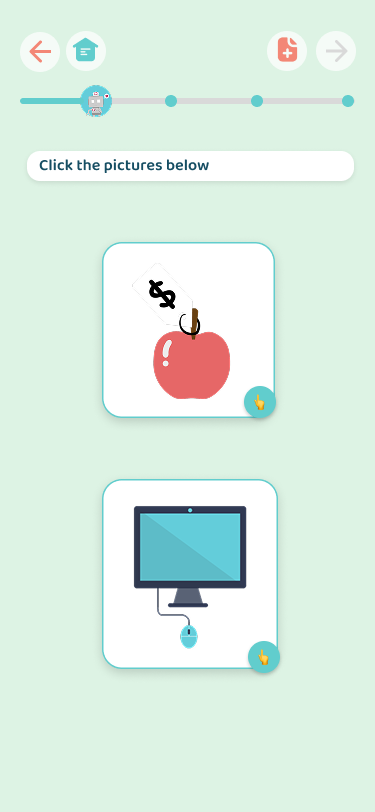
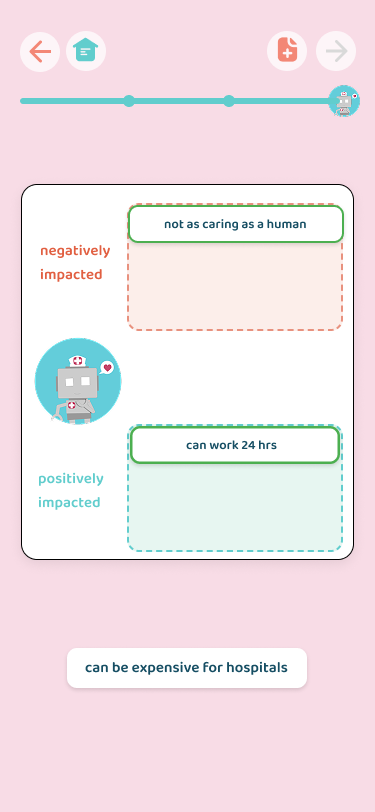
Transforming “AI + Me” from a classroom curriculum into self-paced learning modules.
Project overview
“AI + Me” is a learning resource that helps learners explore key concepts of artificial intelligence and helps teachers deliver AI lessons.
With AI courses growing in popularity, these materials were a natural fit for a self-directed online course. My goal was to turn them into an interactive, comprehensive learning experience, making AI accessible to more people and letting learners study at their own pace.
01. Understanding the context
ReadyAI is an education technology company that builds AI curriculum resources and training programs for K–12 schools and educators. During my internship, ReadyAI explored turning its classroom curriculum into a self-paced mobile experience for young learners. To test the idea, the team piloted “AI + Me”, a 2020 curriculum used by more than 10,000 people.
My role was to translate the existing learning materials into interactive, app-based modules. I worked closely with the curriculum’s creator, who was both the subject-matter expert and my project mentor. Over four weeks, I designed the first version of the learning modules.
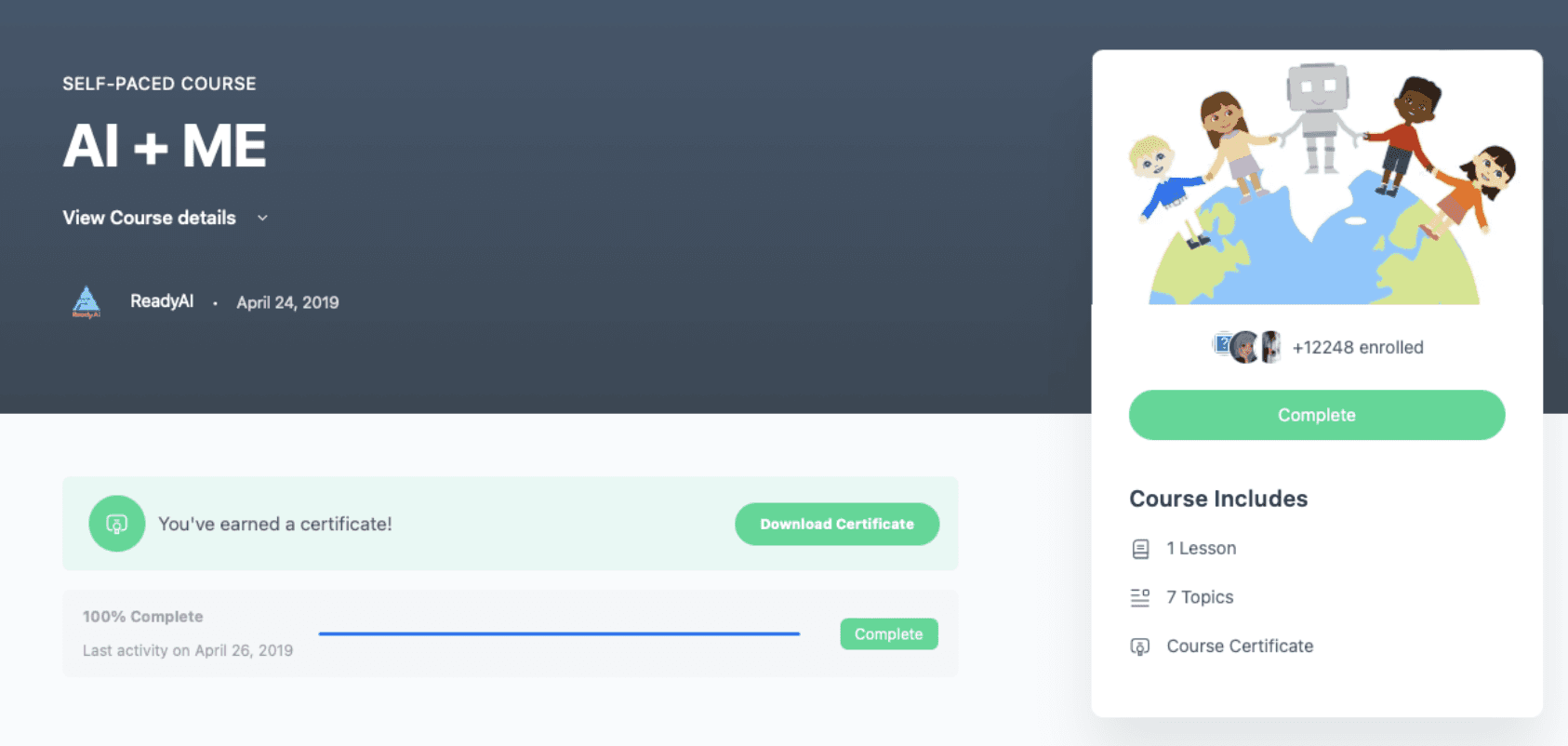
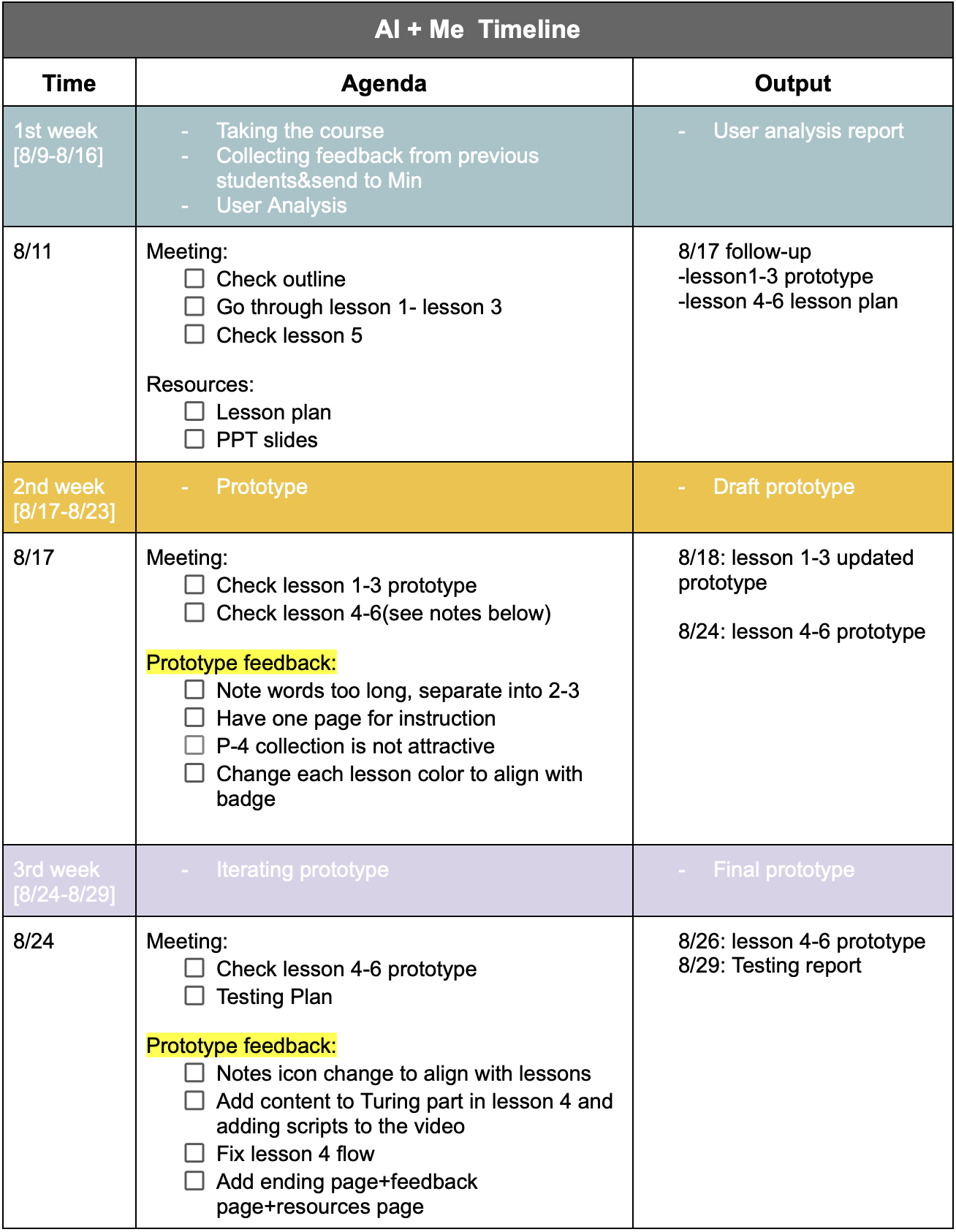
My mentor and I worked in different time zones, which made real-time communication difficult. To keep the project on track, I proposed a weekly plan with clear goals, meeting agendas and deliverables, so we could align asynchronously and review progress at each checkpoint.
02. Analyzing the current curriculum
I started with the survey responses. Educators liked the curriculum, especially its clear explanations and real-world examples that made abstract AI concepts easier for children to understand.
The same feedback showed its limits in a self-paced setting. Without a teacher guiding them, learners were less engaged, found some sections repetitive, and hit abrupt transitions into evaluation activities.
The lessons are clear, engaging, and easy for teachers to use.
User 1
Going through AI + Me will surely help learners understand AI concepts in the simplest way.
User 2
The content is informative, but I wish there were more interactive elements to keep kids engaged.
User 3
It may be boring for kids to read. The short tests are okay, but I feel some of them are repeated.
User 4
Rather than treating these as isolated issues, I analyzed the curriculum through a learning-design lens. That surfaced the underlying insight:
The original materials were designed for teacher-led instruction, not independent learning.
03. From curriculum to digital learning design
Turning a teacher-led curriculum into a self-paced experience took more than redesigning individual lessons. I had to consider the whole system, from motivating learners to keep going, to structuring lessons, presenting content and designing meaningful interactions. To guide the work, I built a learning experience framework.
Four layers, from the big goal of the course down to each interaction in a module.
01Goal
How do learners stay engaged and complete the journey?
Scope: The whole course
02Structure
How is each lesson organized to guide understanding?
Scope: Each module
03Lesson design
How is information presented and processed?
Scope: Each lesson’s content
04Activity design
How do learners actively engage with concepts?
Scope: Each interaction
From these principles, I mapped the ideal learner journey: how each stage of the course sustains engagement, guides learning and motivates learners from onboarding to module completion.
How progression, flow, cognitive load and interaction work together across a self-paced AI course.
| Stage | Phase 1 · Onboarding | Phase 2 · Learning | Phase 3 · Progression | |||
|---|---|---|---|---|---|---|
| Row | Intro video | Journey map | Lead-in | Input | Test-out | Badge & next module |
| Learner engagement |
😀😊🙂🤔😄🎉
|
|||||
| Learner thinks | AI sounds fun. I want to learn more! | Cool! I can see what I’ll unlock next. | I’ve seen something like this before! | Oh, that’s how AI works. | Let me try it myself! | I earned a badge! What’s next? |
| Learner goal | Understand what AI + Me is and become curious. | Explore the path and see what’s ahead. | Connect concepts to familiar, real-world experiences. | Learn one AI concept through digestible examples. | Apply knowledge with interactive feedback. | Celebrate progress and feel motivated to continue. |
04. UI choices
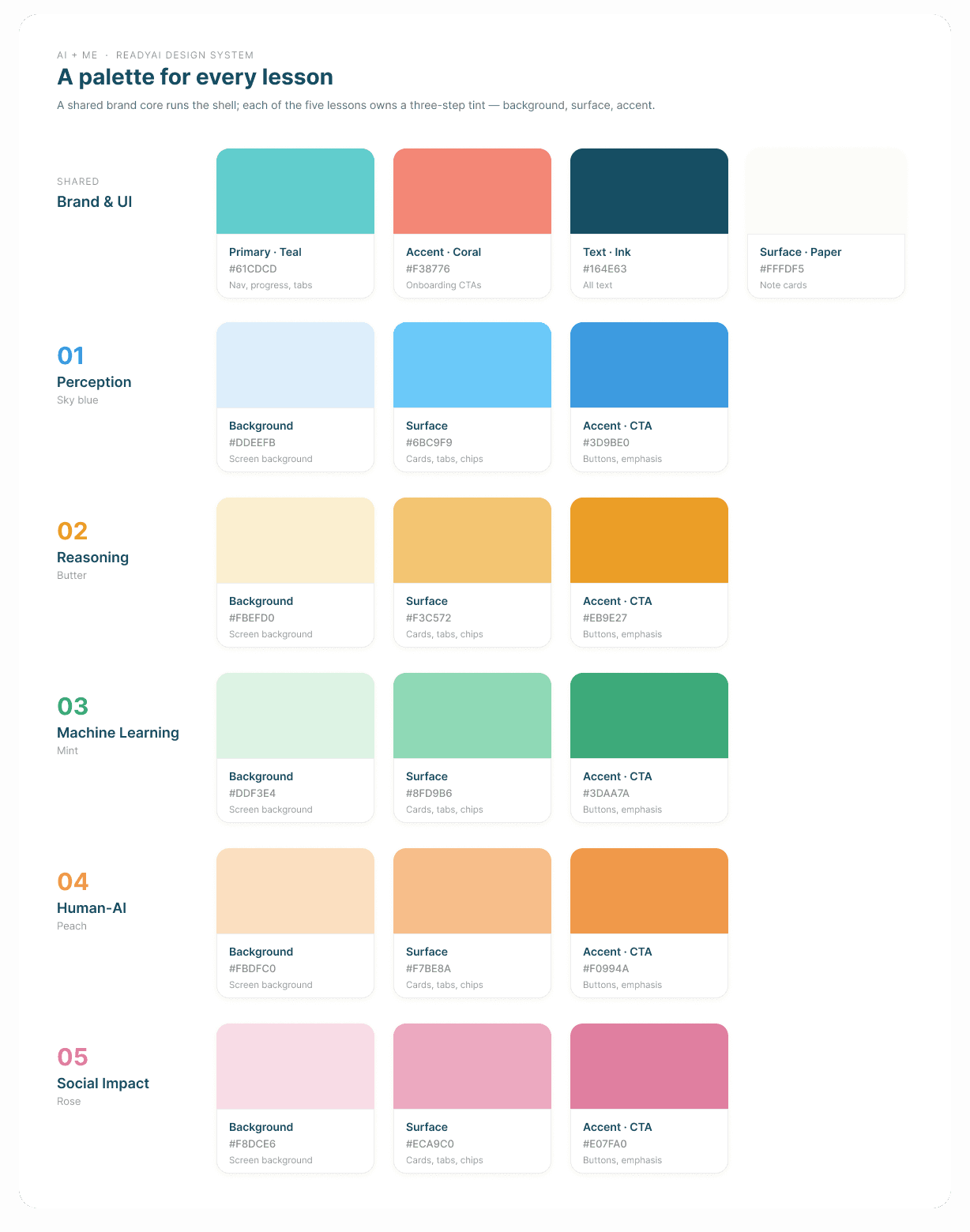
To stay consistent with the original curriculum, I based each learning module’s color palette on its corresponding book. Every lesson takes the book’s primary theme color, creating a familiar identity while helping learners tell modules apart.
Rather than create a new illustration style, I reused the illustrations from the AI + Me books to keep visual continuity and build on learners’ familiarity. Bringing them into activities, animations and learning screens turned static classroom materials into engaging digital experiences while keeping the curriculum’s recognizable look.



05. Building the learning journey
Each layer of the framework shaped a part of the app.
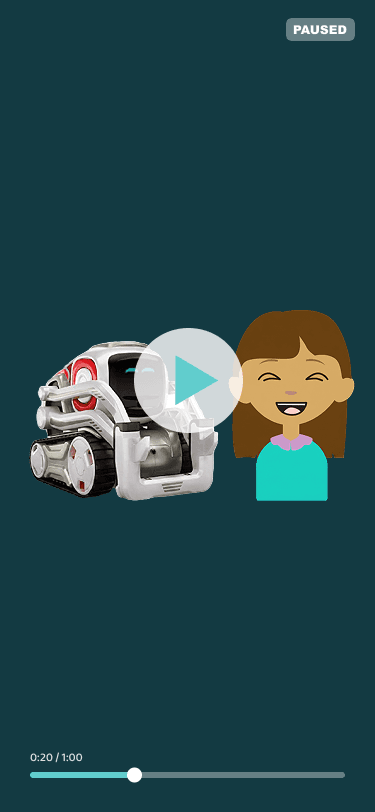
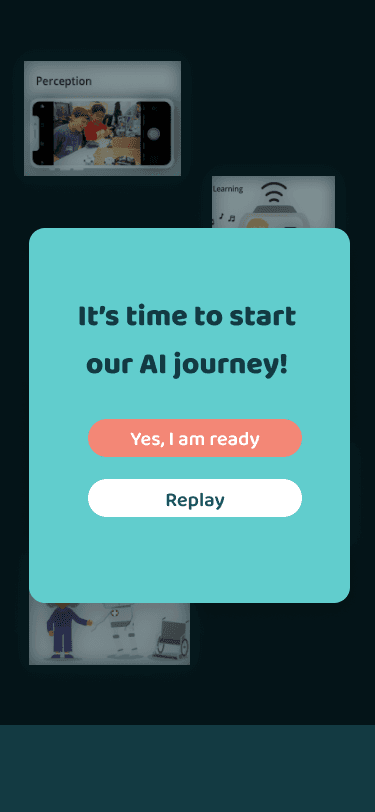
01 · Progression & motivation
I turned the book’s text-and-image introduction into a short video, using dynamic visuals to engage learners and connect AI to everyday life.
02 · Progression & motivation
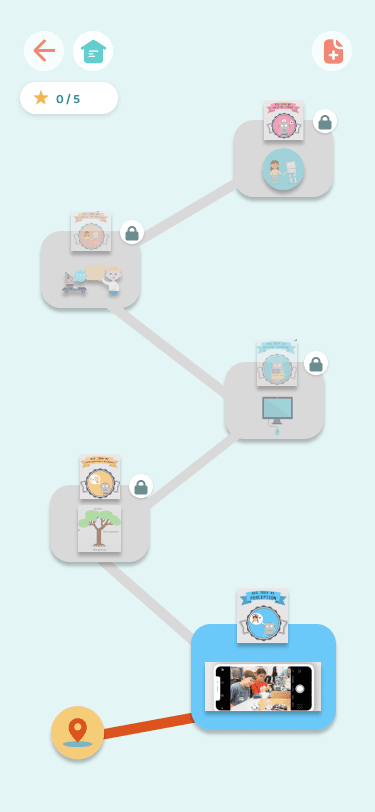
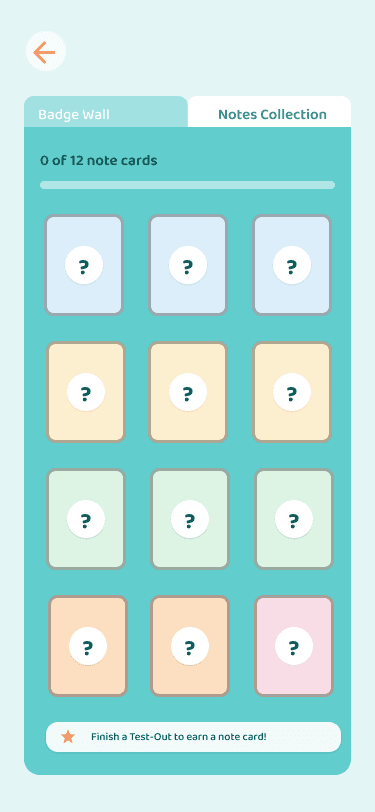
A learning map shows a clear path ahead, and gamified rewards, badges and note cards, give learners something to collect.
03 · Learning flow
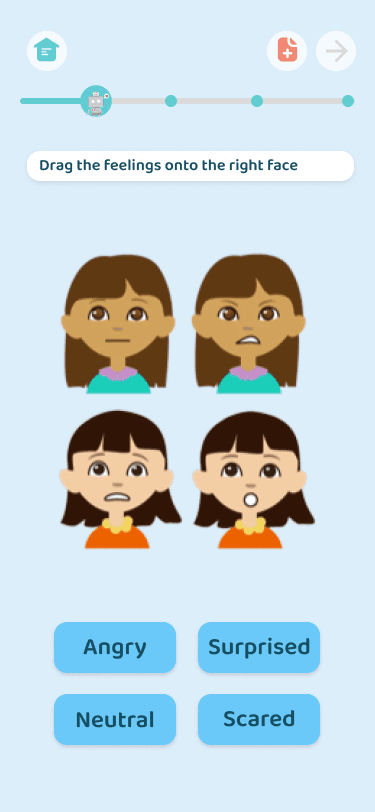
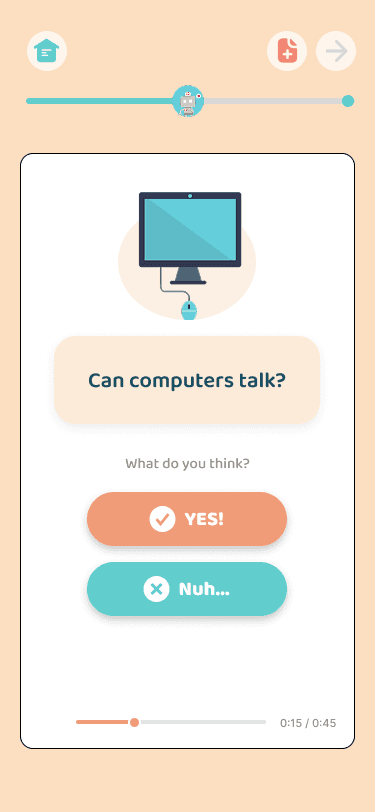
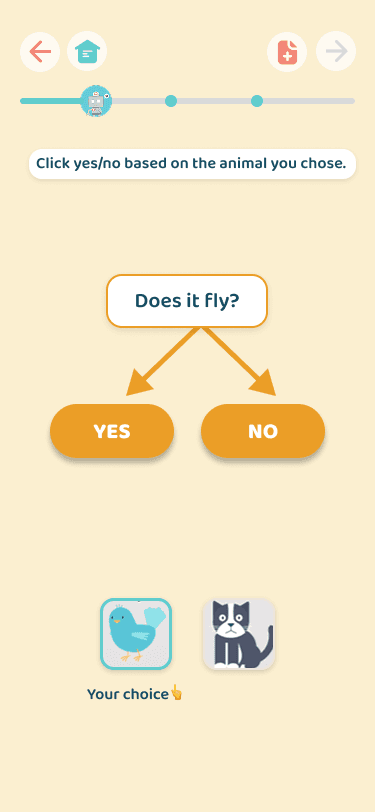
Each module opens with a game or interactive video that introduces a key AI concept.
04 · Learning flow
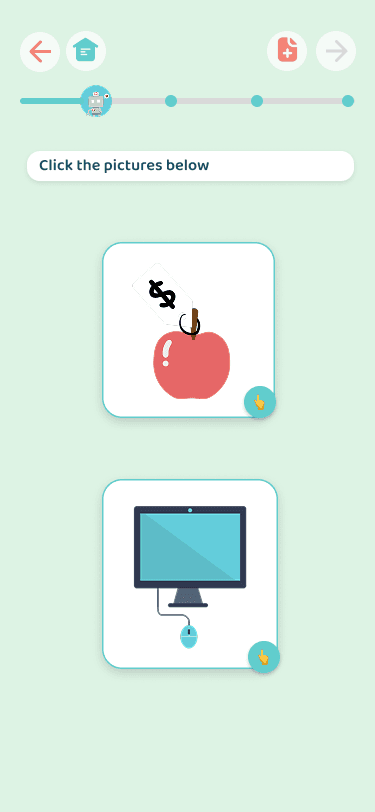
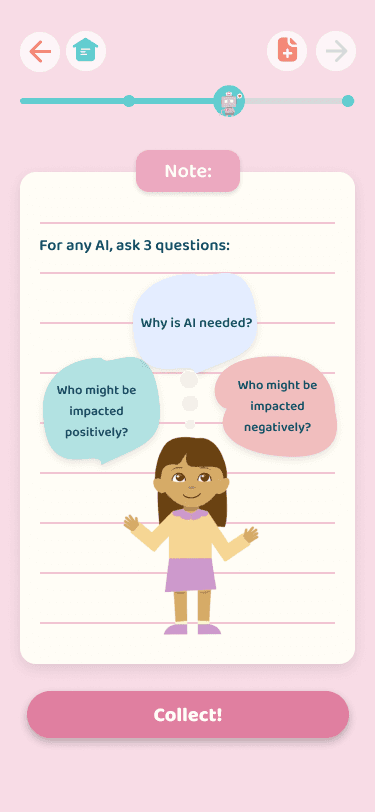
After the game, learners move to a session where the concepts are explained and clearly summarized.
05 · Learning flow
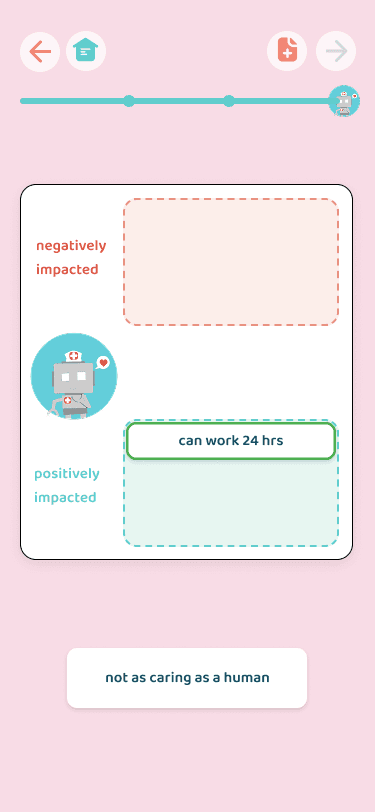
The module ends with a short test, so learners can check their understanding and see their progress.
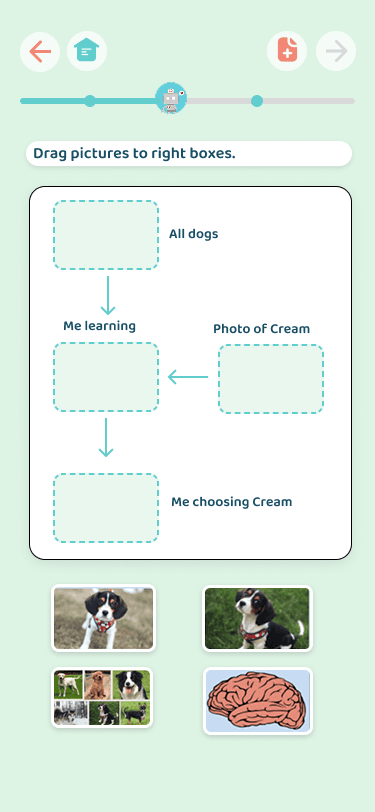
06 · Cognitive load
Complex sentences and ideas are broken into small, illustrated sections so learners can process one concept at a time.
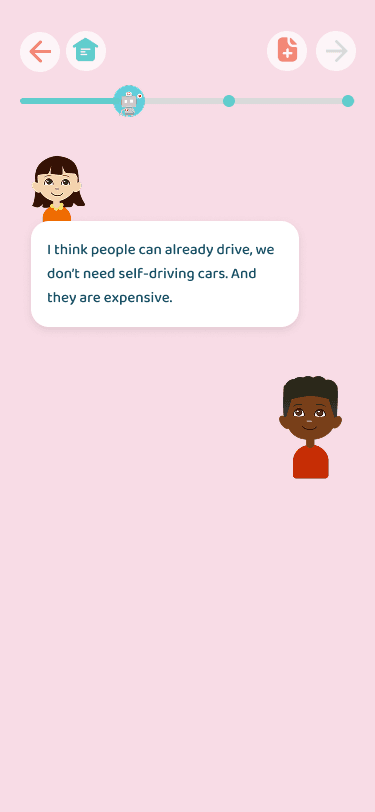
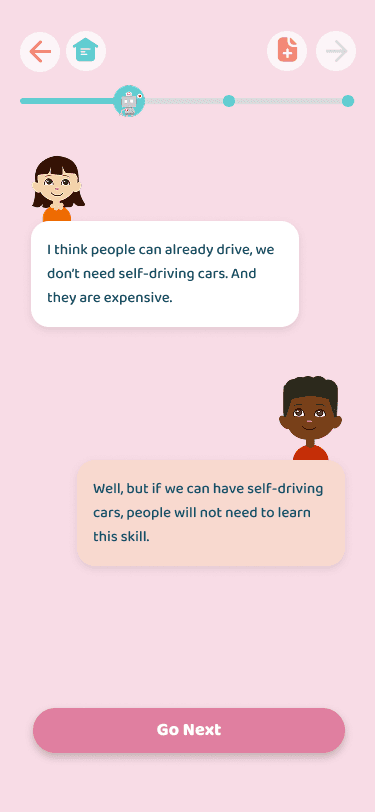
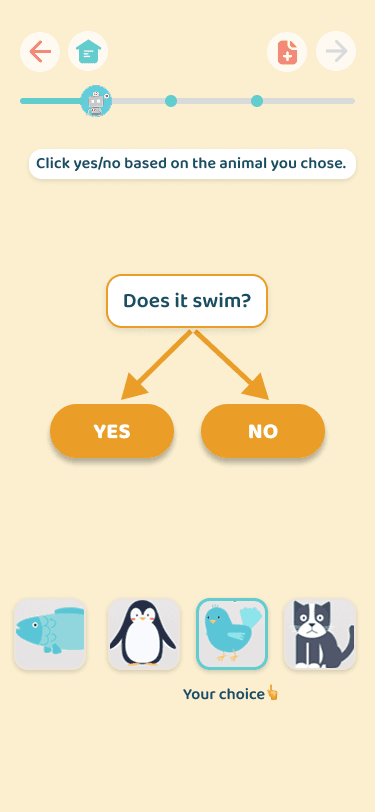
07 · Interaction
Interactive exercises with immediate feedback keep learners actively engaged with each concept.
06. Metrics to watch
To evaluate whether AI + Me turns a teacher-led curriculum into a self-paced, playful experience kids can complete on their own, these are the metrics I would track in future usability testing.
| Metric | What it measures | Why it matters |
|---|---|---|
| Completion rate | Engagement | High completion without adult help shows the self-paced redesign works. |
| Drop-off point | Engagement | Shows which screen loses learners, pinpointing exactly where to iterate. |
| Average session length | Engagement | Shows whether learners are absorbed and keep playing, or leave after one activity. |
| Test-out first-try accuracy | Learning | Shows whether the concept actually stuck, or learners guessed their way through. |